Your cart is currently empty!
Why Trading is so difficult ?
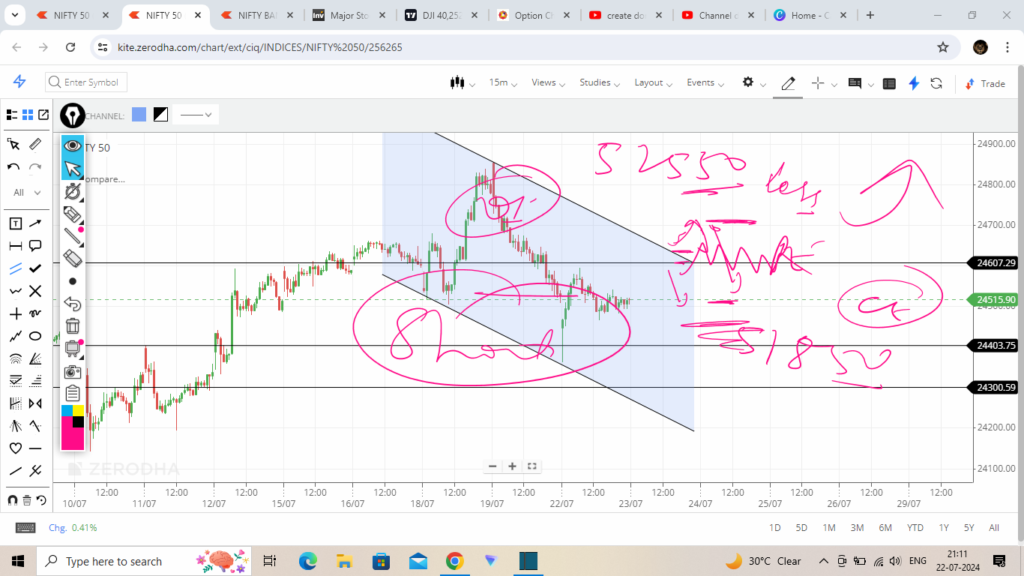
Trading is difficult for several reasons, ranging from psychological challenges to technical complexities. Here’s a breakdown of why many people find trading to be a tough endeavor:
1. Market Complexity
- Information Overload: The sheer volume of data, from news events to financial reports, can be overwhelming. Traders must sift through vast amounts of information to make informed decisions.
- Global Influence: Markets are influenced by global events, including economic indicators, geopolitical tensions, and natural disasters, making it challenging to predict movements.
2. Psychological Factors
- Emotional Decision-Making: Fear and greed are powerful emotions that can lead to impulsive decisions. Traders often struggle to stick to their strategies during volatile periods.
- Cognitive Biases: Biases like overconfidence, confirmation bias, and loss aversion can skew judgment, leading to poor decisions.
3. Market Dynamics
- Unpredictability: Markets can be highly unpredictable, with price movements driven by numerous factors, some of which may be random or unforeseeable.
- Volatility: Rapid price changes can wipe out profits quickly, making it hard to maintain a consistent strategy.
4. Technical Challenges
- Complex Strategies: Advanced trading strategies, such as algorithmic trading or options trading, require a deep understanding of mathematics, programming, and financial theory.
- Technology and Tools: Successful trading often requires the use of sophisticated tools and platforms, which can be expensive and difficult to master.
5. Risk Management
- Capital at Risk: Every trade involves the risk of losing money, and managing that risk while trying to maximize profit is a constant challenge.
- Leverage: Using leverage can amplify profits, but it also increases the risk of significant losses, sometimes beyond the initial investment.
6. Competition
- Institutional Traders: Retail traders are often competing against large institutional players with more resources, better technology, and access to information.
- Market Efficiency: Markets tend to be efficient, meaning that prices often reflect all available information, making it hard to gain an edge.
7. Learning Curve
- Education: Understanding markets, technical analysis, and trading strategies requires significant time and effort to learn and master.
- Experience: Real-world trading experience is crucial, but it often comes with the cost of initial losses.
8. Discipline and Consistency
- Sticking to a Plan: Developing a trading plan is one thing, but sticking to it consistently, especially during tough times, is another.
- Continuous Adaptation: Markets change, and what works in one market environment may not work in another, requiring traders to constantly adapt.
9. Regulatory and Legal Challenges
- Compliance: Traders must navigate a complex landscape of regulations, which can vary by country and asset class.
- Tax Implications: Understanding the tax implications of trading gains and losses can be complex and varies by jurisdiction.
10. Emotional Resilience
- Handling Losses: Trading inevitably involves losses, and handling them without becoming discouraged is difficult.
- Patience and Perseverance: Successful trading often requires long periods of patience and the ability to stay calm under pressure.
In summary, trading is difficult because it demands a combination of analytical skills, emotional control, discipline, and continuous learning. The complexity of markets, coupled with the psychological challenges and high risk, makes it a challenging field for many.
Leave a Reply